Beyond Exams: How We're Preparing Kids for a World That Doesn't Exist Yet
Written by Lisa Boston, Co-Founder of Future Human School for Our Year in Bali. See original article here
In 15 years of teaching IGCSE and IB across international schools in Asia, I watched brilliant students - creative, curious, full of potential - reduced to tears over exam results. Kids who could hold fascinating conversations about complex ideas, labelled as "not good enough" because they couldn't perform under timed conditions.
I was part of the machine. As an examiner for several international exam boards, I marked papers, awarded grades, and participated in a system preparing young people for a world that no longer exists.
The Fundamental Mismatch
Our education system was built 200 years ago to create compliant factory workers. Kids in Jakarta, Singapore, Brunei (who know their own cities intimately) sit exams about the Great Fire of London in 1666. Why? Because that's what's on the syllabus. The same content, taught the same way, for decades.
I've watched examination scores adjusted to fit predetermined bell curves: institutional dishonesty dressed up as rigour. I've witnessed depression, anxiety, even self-harm over grades that measure almost nothing that matters.
Traditional education teaches memorisation, individual work, and test-taking. But the future needs critical thinking, collaboration, creativity, and problem-solving. The World Economic Forum's Future of Jobs Report (2023) found that 44% of workers' core skills will be disrupted within five years, and employers rank creative thinking and analytical skills as the most valuable they cannot find. Careers will be portfolios of projects, not linear paths. The work that can't be automated requires distinctly human skills.
The Entrepreneurial Mindset: What Kids Actually Need
Through worldschooling my own children, this became clear: the future belongs to people who can identify problems and create solutions. Not employees waiting for instructions, but entrepreneurs in the broadest sense - people who see opportunities, gather resources, and make things happen.
This isn't about everyone starting businesses. It's about developing the mindset that life is a series of projects you can shape. That you can create value, not just consume it. That failure is feedback. That learning happens everywhere; in markets, conversations, experiments, and mistakes.
A 2023 Gallup report found that only 23% of employees worldwide are engaged at work, a crisis rooted, many argue, in an education system that trains compliance rather than agency. We need to do better.
Future Human School - What We've Built
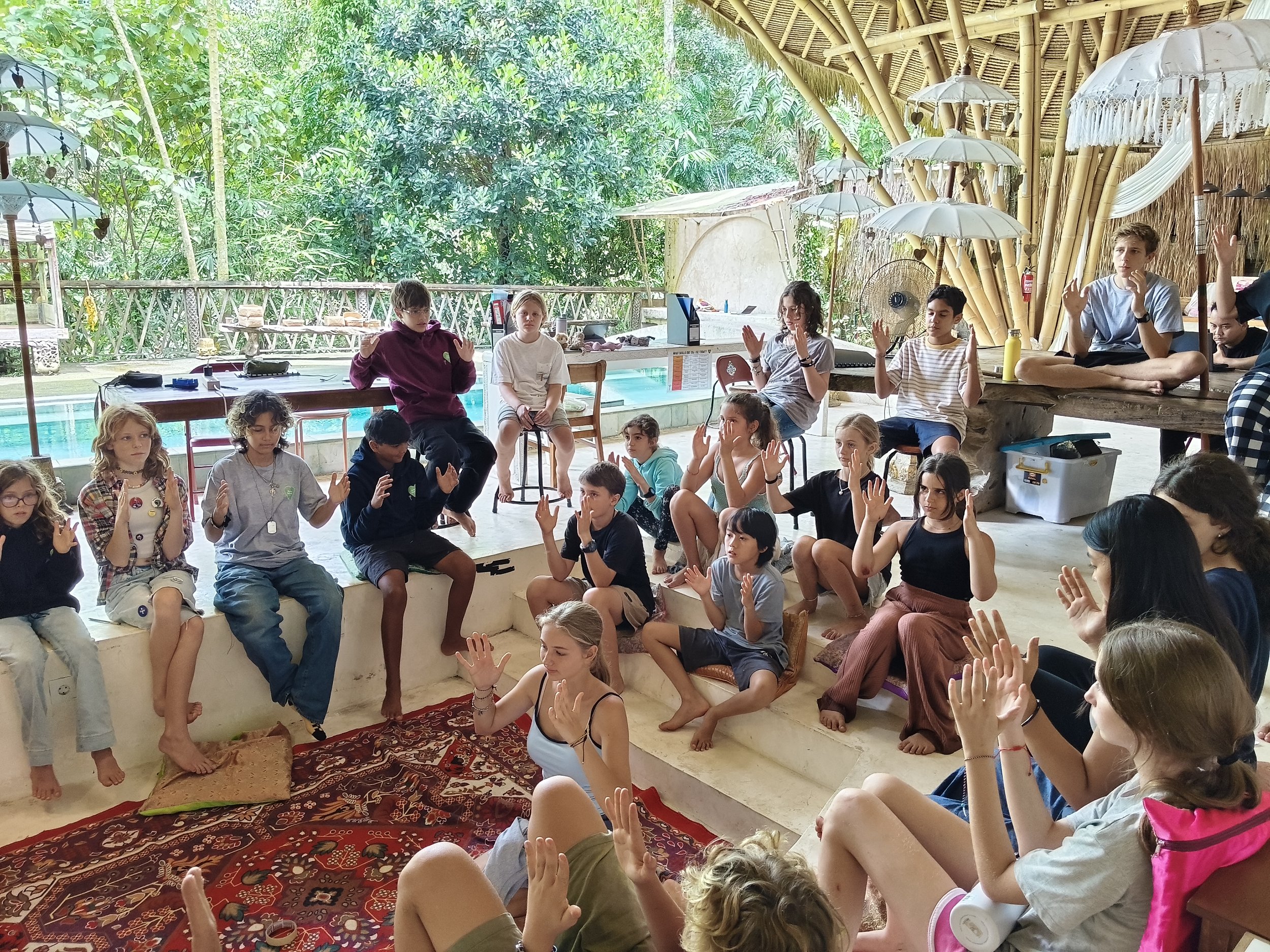
In 2025, a small group of educators, entrepreneurs, parents and worldschoolers created the school we'd been looking for, to build something designed for the world our children will actually inherit.
Our core philosophy: life is a project. We teach kids to think like creators and problem-solvers. Skills over scores. Mentors over teachers. Growth over grades.
We're making fundamental shifts:
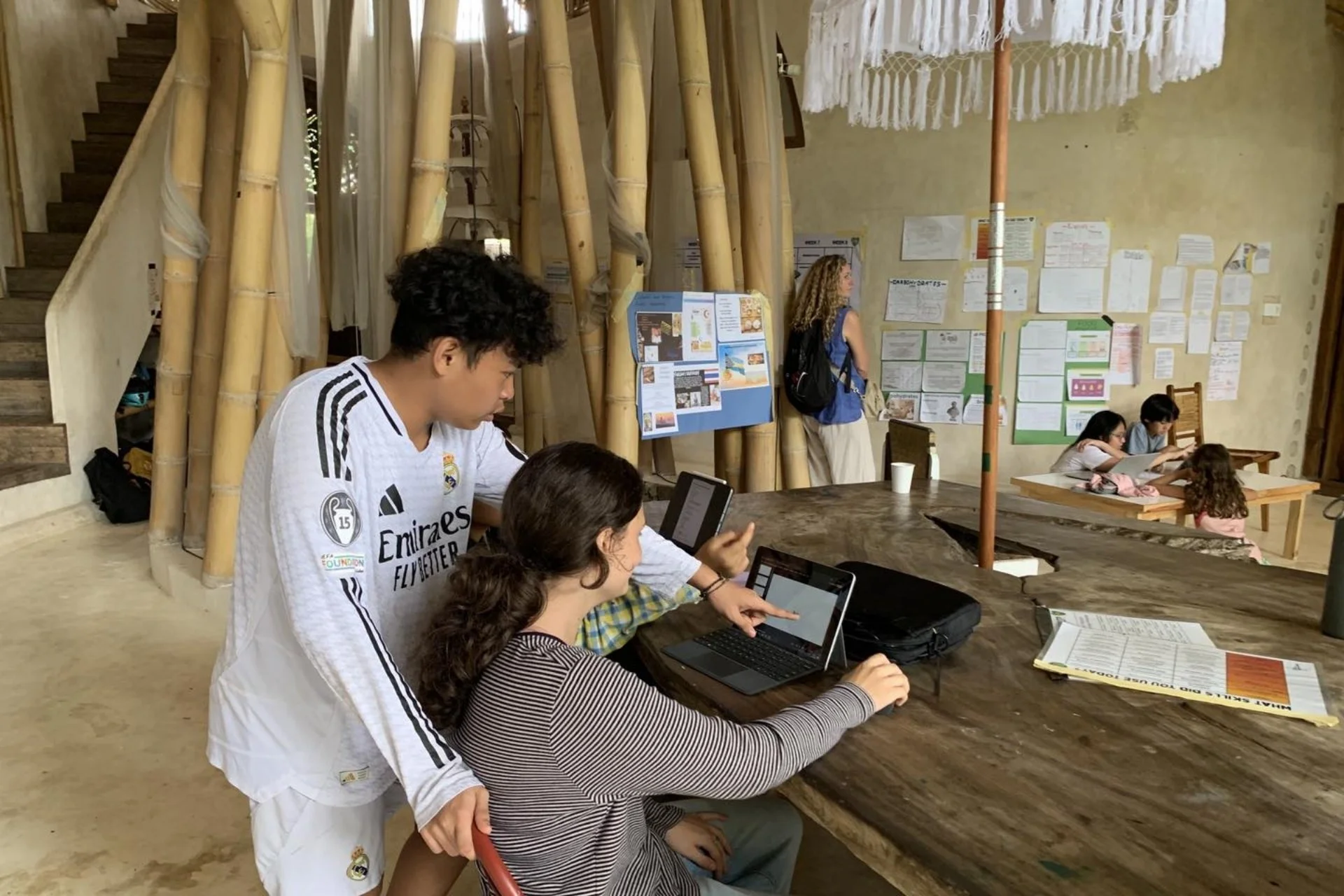
From teachers delivering content to mentors guiding discovery
From grades on a curve to growth through reflection and portfolios
From isolated subjects to integrated skills through projects
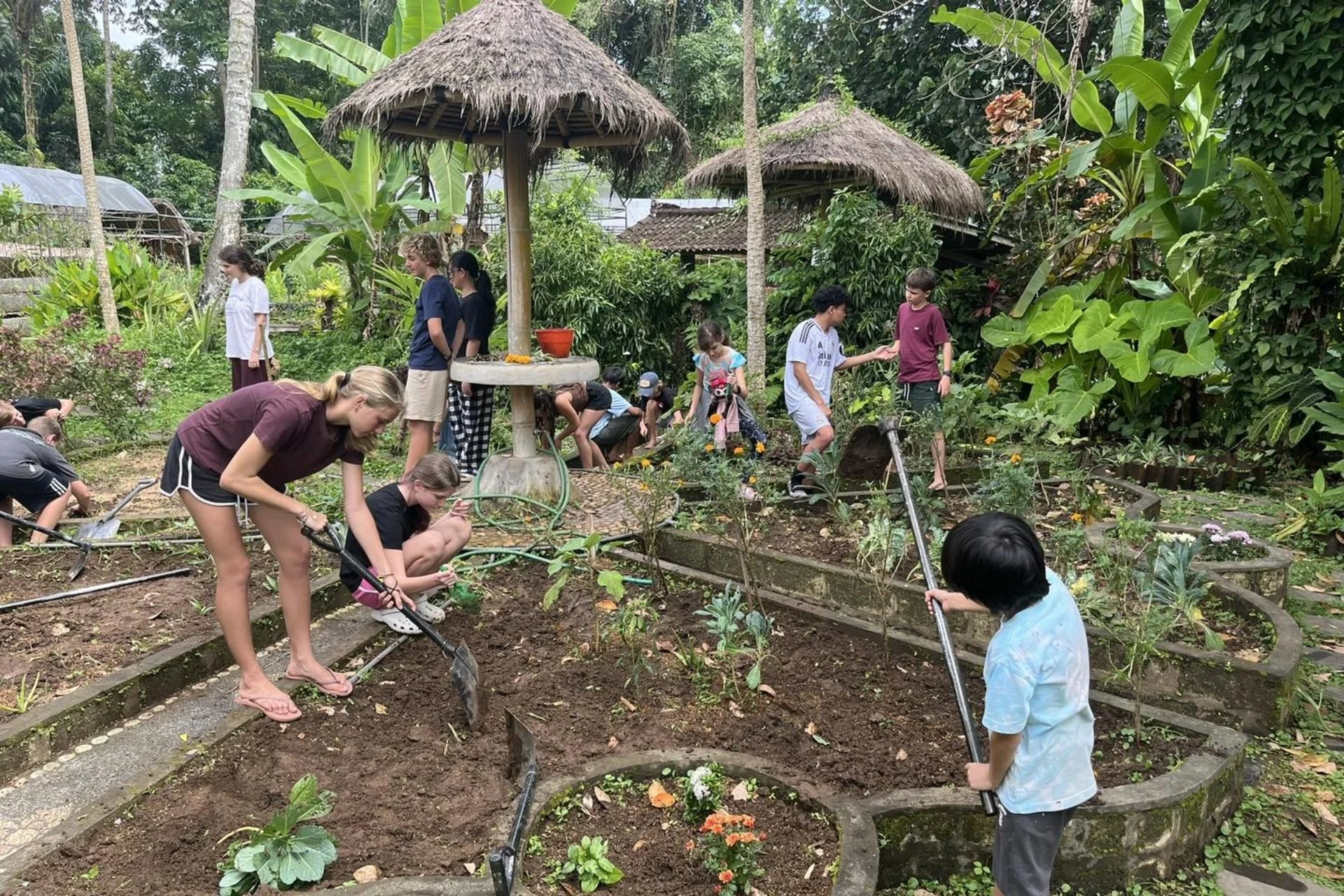
From classroom confinement to community as curriculum
We're building future-ready humans grounded in purpose, driven by curiosity, equipped with transferable skills, and ready to navigate uncertainty with creativity and resilience.
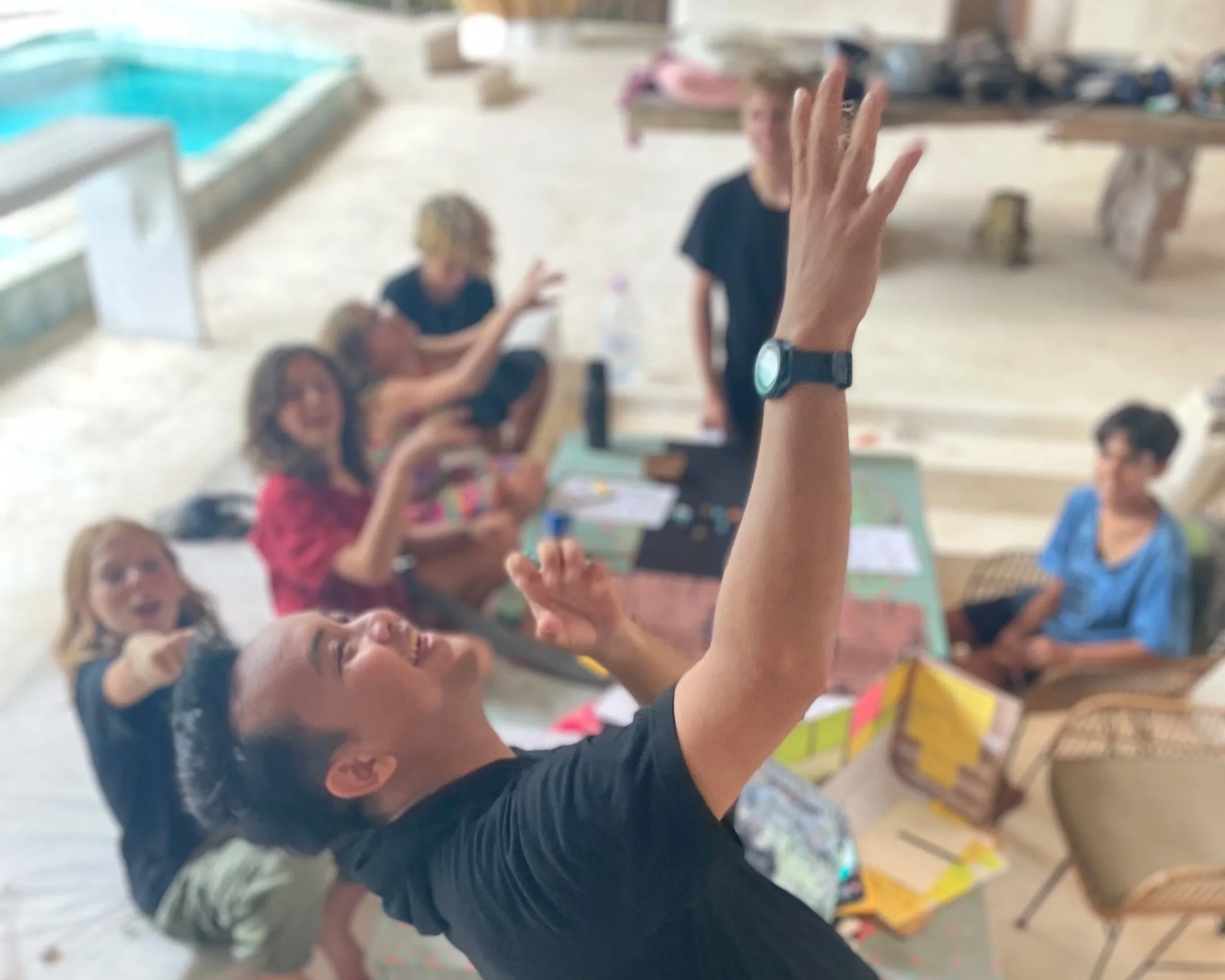
How Learning Happens- Projects and Community
Students learn through five integrated project pathways throughout the year. Research is clear: a meta-analysis of 66 experimental studies found project-based learning significantly improved learning outcomes, with strong effects on academic achievement and thinking skills. A large-scale study by Lucas Education Research involving over 6,000 students across 114 schools found project-based learners consistently outperformed their peers in traditional settings.
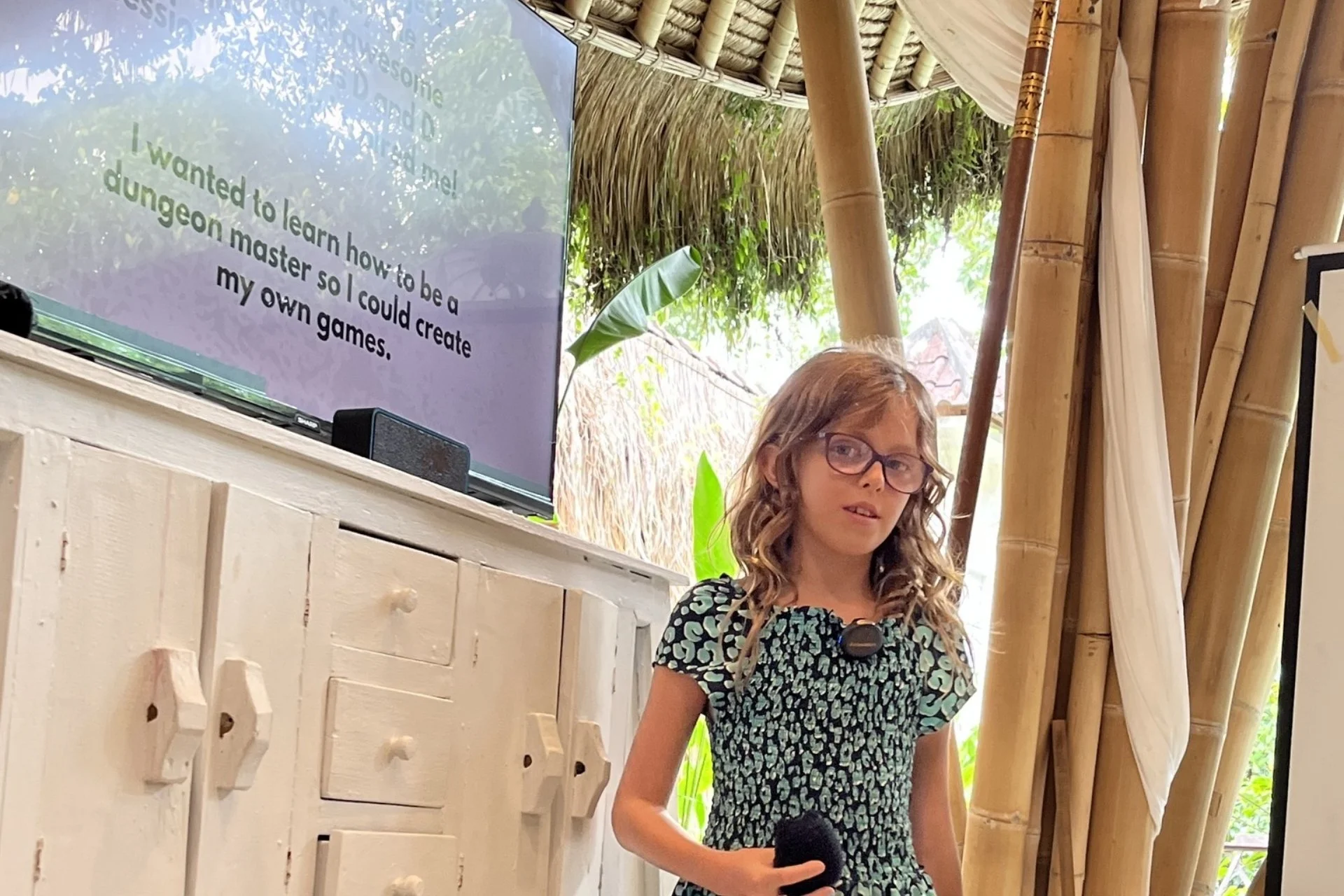
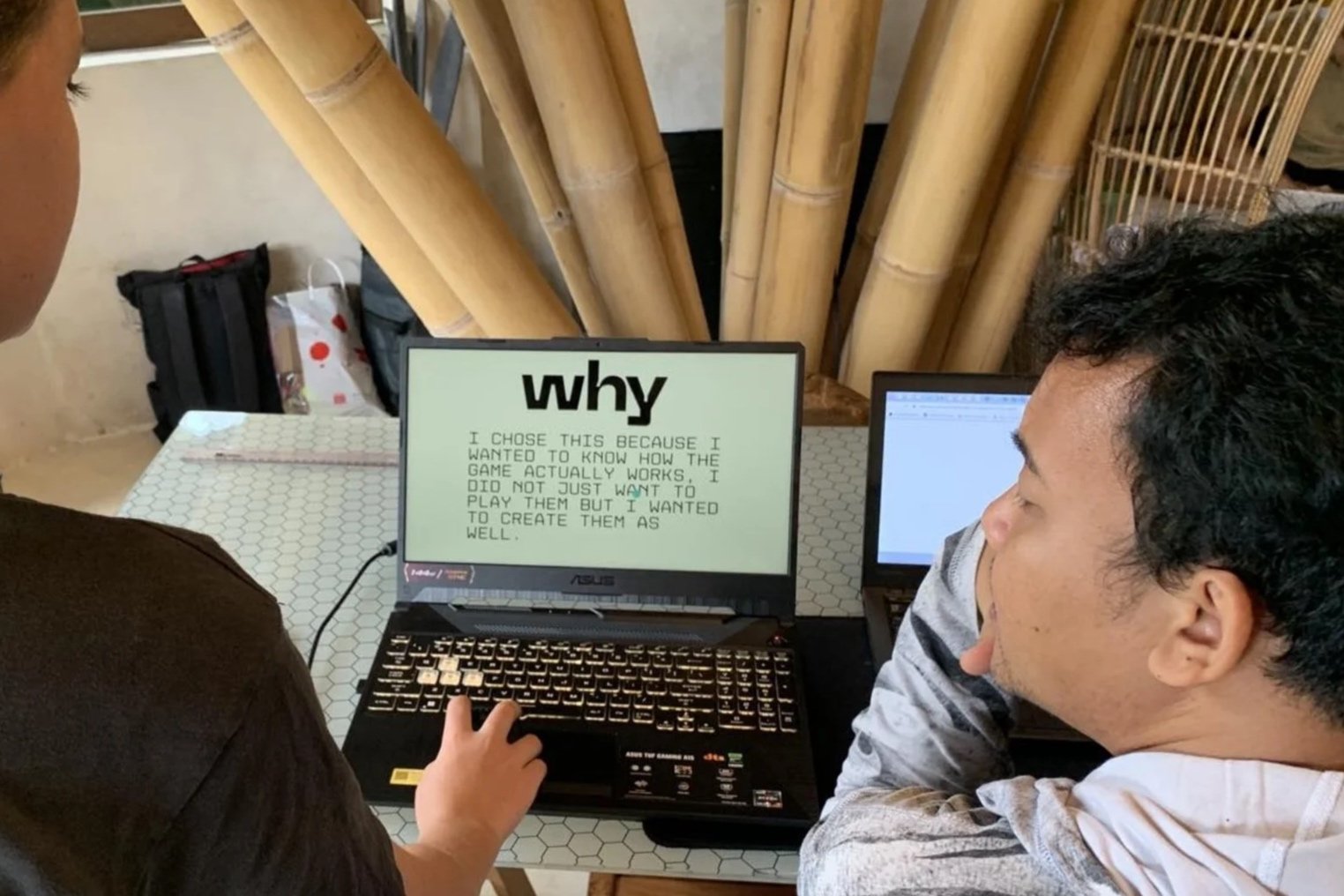
What makes projects effective? They mirror real life. Students research, design, problem-solve, collaborate, fail, iterate, and create. Our five pathways cover Production (films, exhibitions, performances), Food (sustainable systems), Multiverse Games (designing worlds using history and culture), Biomimicry & Sustainable Enterprise (solving real Bali challenges), and Enterprise (from prototype to pitch).
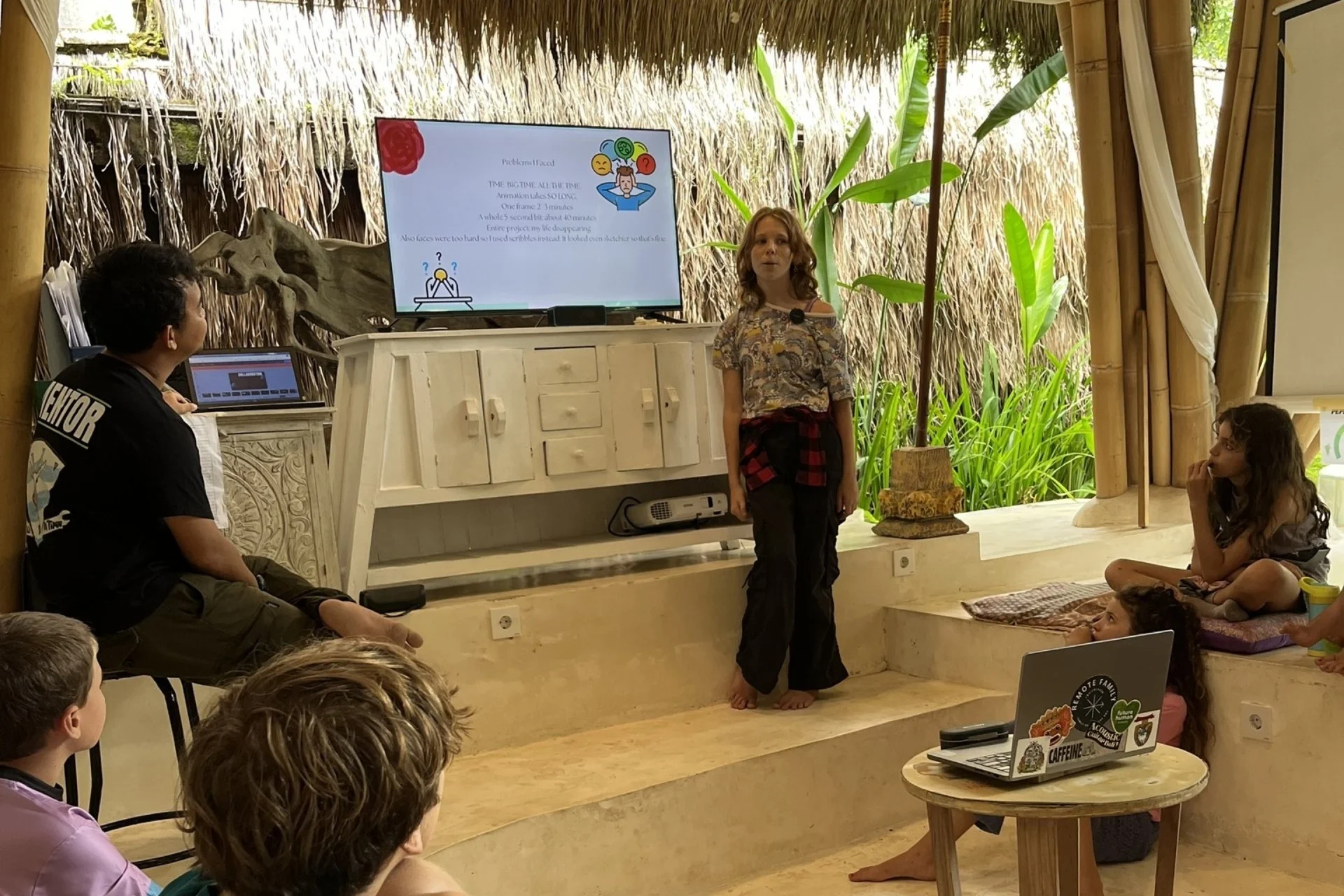
Every student also pursues Personal Exploration Projects - self-directed enquiries into their own passions, guided by mentors. One student might be investigating marine conservation. Another prototyping a small business. Another writing a graphic novel. These aren't extras - they're central to developing the self-direction and intrinsic motivation that no exam can measure.
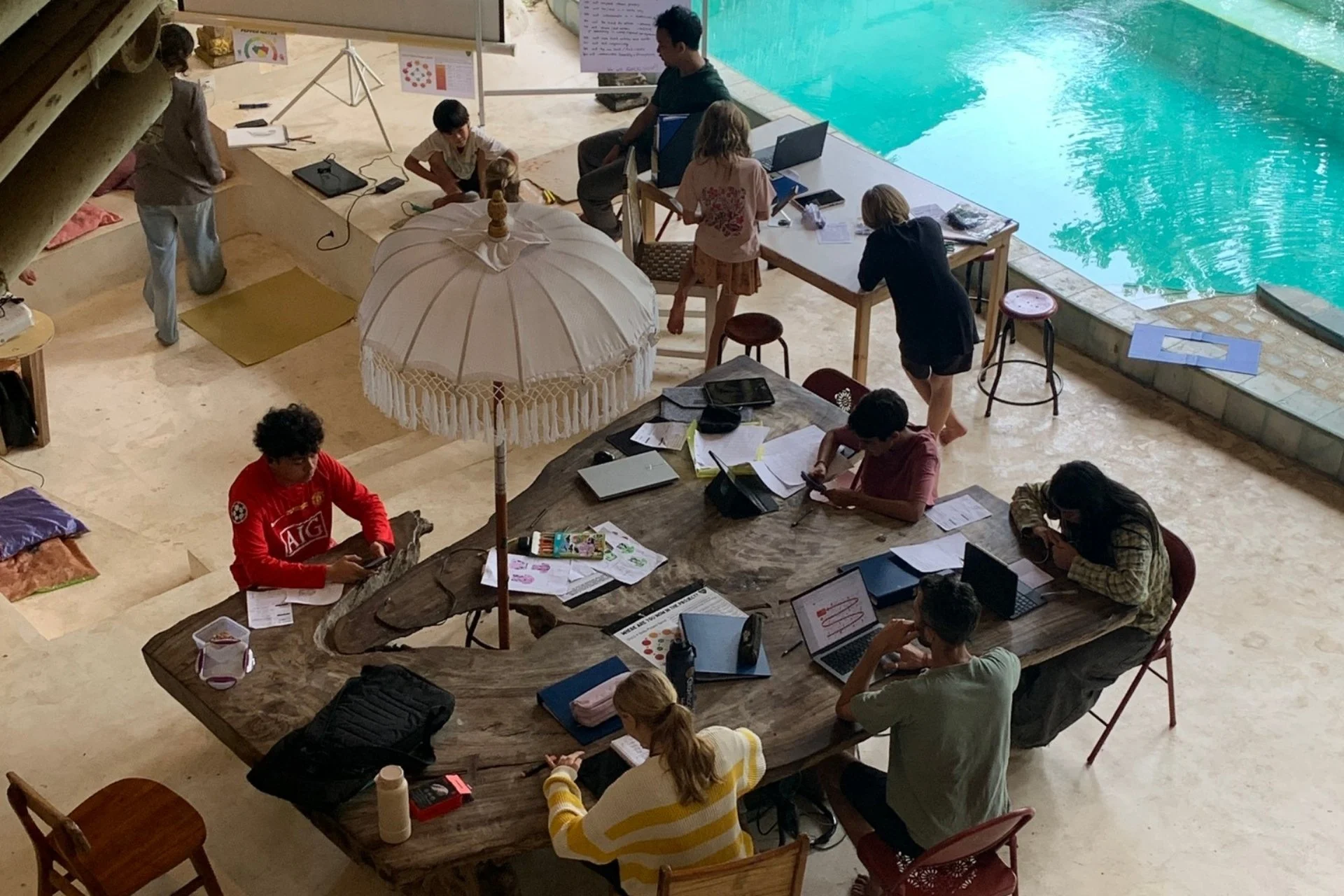
Village Day-The Heart of Our Community
So many schools talk about community. Few understand the community is as important as the education. Families relocating to Bali are seeking genuine connection - that is missing in western life. This connection to genuine community - both expat and local - leads to integration and parents who are actively invested in both the community and their children's education.
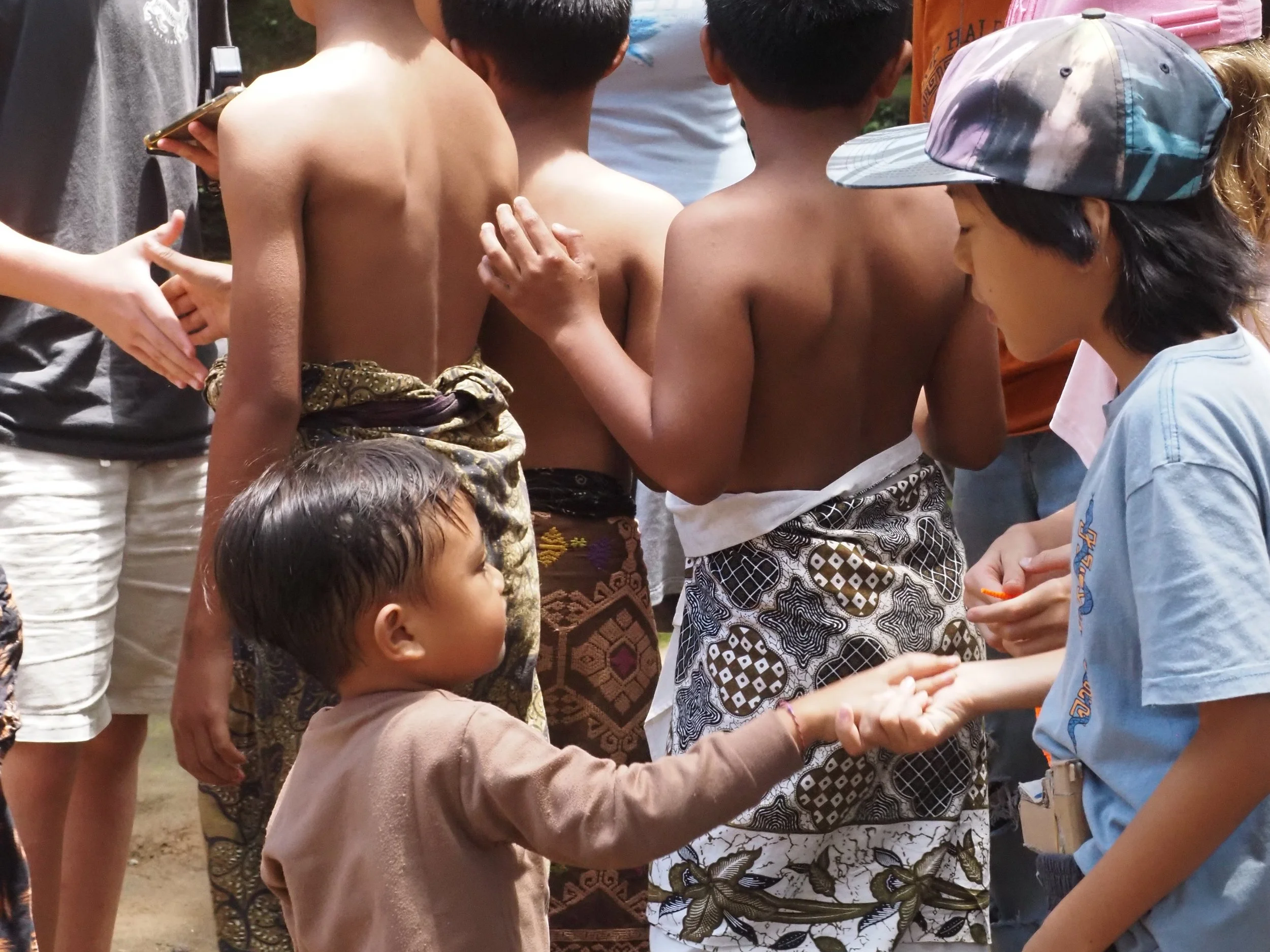
Every Friday is Village Day. We've built community into the very structure of learning.
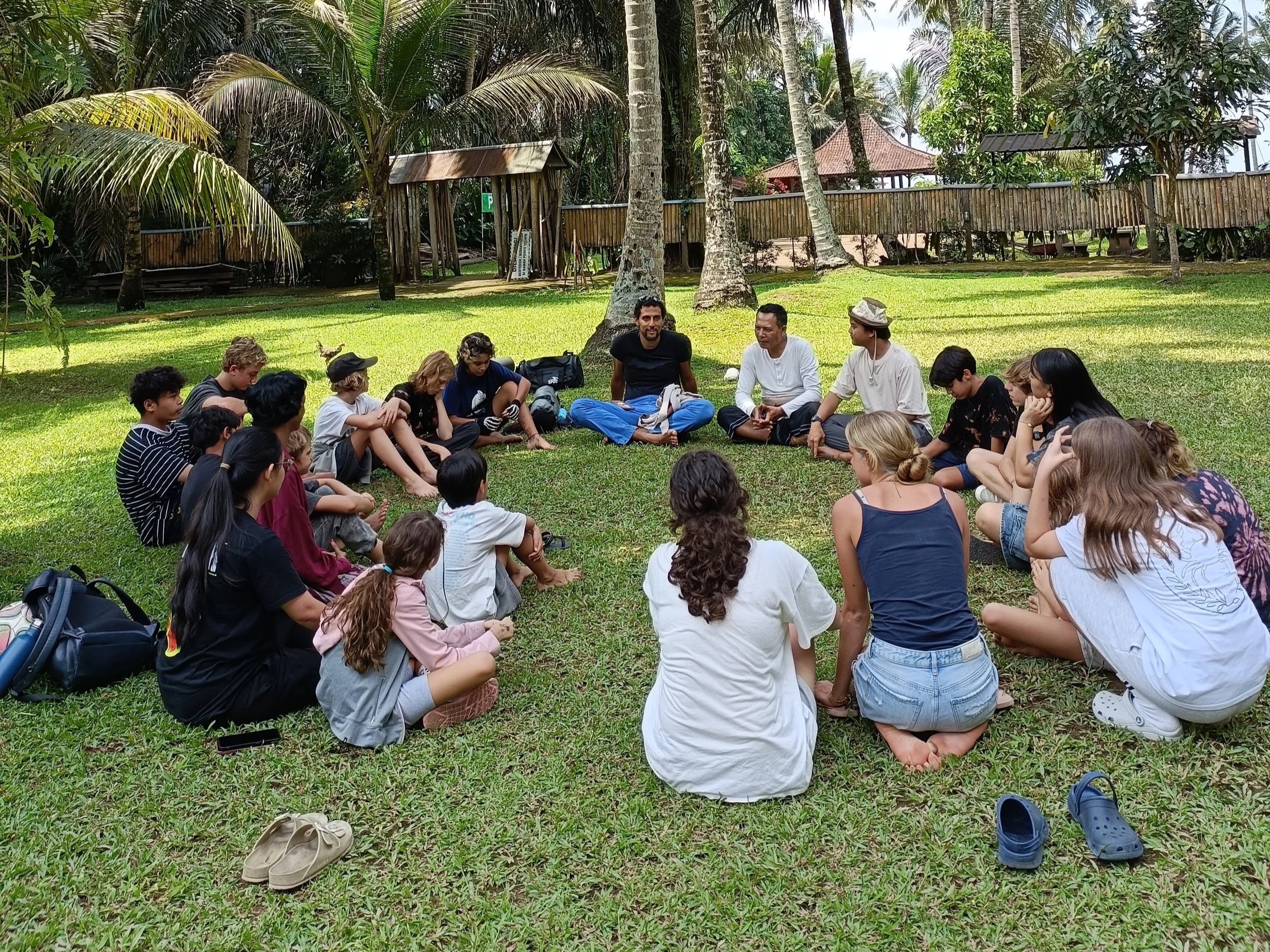
Village Days bring together students, mentors, families, and our wider Ubud community: guest speakers from sustainability, enterprise, permaculture, hospitality, and the arts; hands-on workshops; cultural celebrations; service projects; real connection across generations.
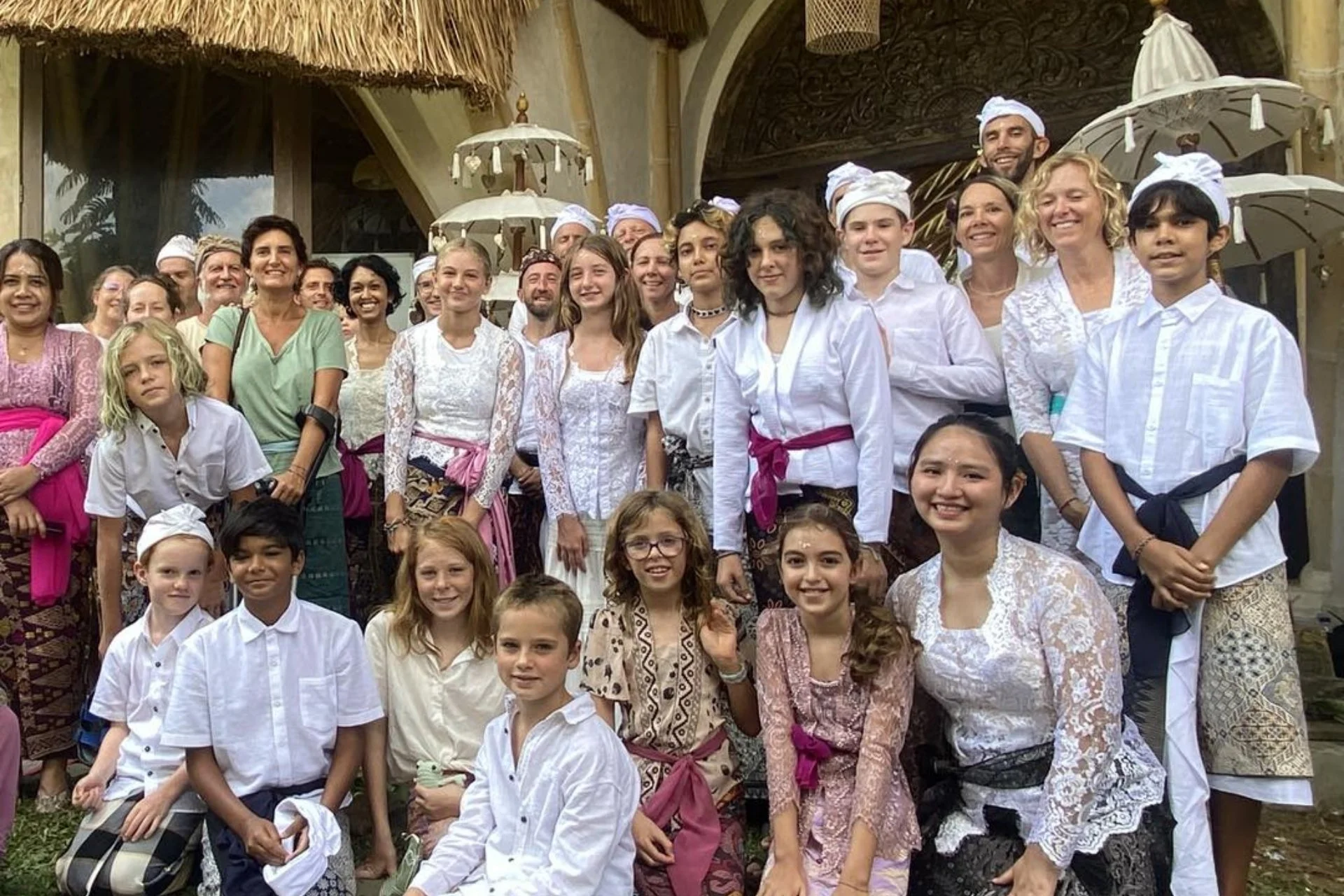
Research shows intergenerational learning boosts children's social skills, school attendance, and academic learning. Studies found children in intergenerational programmes showed greater interest in reading, improved behaviour, enhanced communication skills, and greater concern for others. Research by Generations United (2021) found that 91% of young people in intergenerational programmes reported feeling more connected to their community: a foundation for the kind of collaborative, empathetic adults the world genuinely needs.
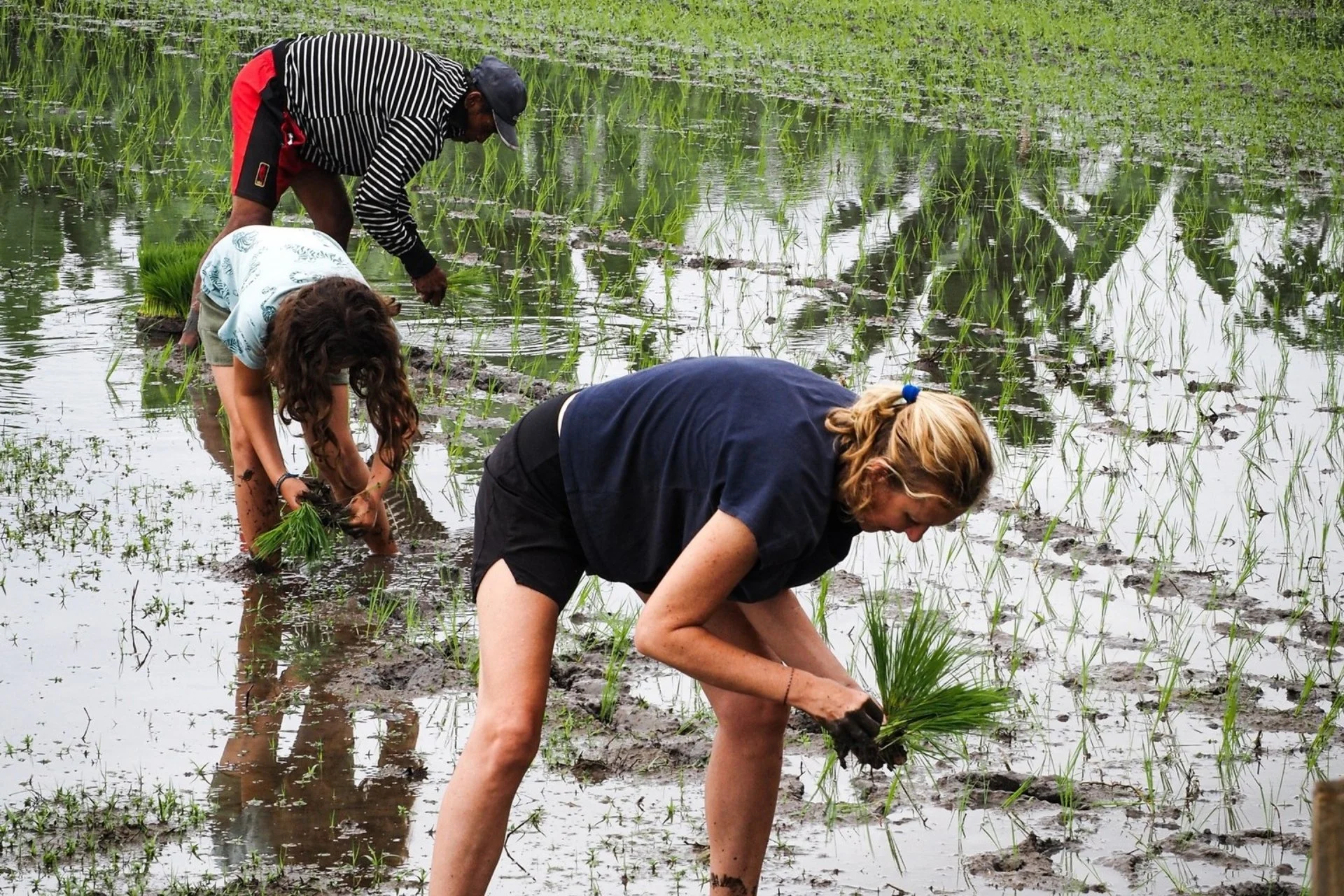
Students learn from entrepreneurs actually running businesses, permaculture practitioners designing regenerative systems, artists creating work that matters. Just as expat families have chosen to live beyond their home countries' borders, our students grow by embracing a world beyond conventional educational boundaries.
"But what about university?"
Universities are changing. In 2023, over 1,800 US universities adopted test-optional admissions policies - driven by growing recognition that exam scores are poor predictors of university success. Harvard's Project Zero research has long argued that portfolio-based assessment gives a far more accurate picture of a student's capabilities than standardised testing.
A student who's designed sustainable products, led community projects, and can articulate their learning journey stands out. They arrive at university knowing why they're there and what they want to create.
"Won't my child fall behind?"
Behind in what? Test-taking? Perhaps. But ahead in everything that prepares them for adult life.
All traditional academic skills are taught - maths, science, literacy, analysis. The difference? They're applied through real projects. Maths through design challenges. Science through food systems. Writing through storytelling. They understand why it matters.
At Future Human School, mentors guide through questions and real-world experience. We've built a network of practitioners - sustainability experts, entrepreneurs, permaculture specialists, artists, hospitality professionals. Assessment happens through portfolios, reflection, peer feedback, and self-evaluation.
An Invitation
This isn't for every family. Some children thrive in traditional systems.
But if you're reading this and feeling that flicker of recognition - you're not alone. You've already made one brave choice in considering Bali. You've already questioned the default path.
What if you extended that same courage to how your children learn?
We're not rejecting traditional learning. We're asking a better question: What does education look like when it's designed for the world our children will actually inherit?
That's what we're building at Future Human School—and we'd genuinely love to talk with you about whether it might be right for your family.