
Choosing an Alternative School in Bali: A Parent's Guide
Every year, more families arrive in Bali looking for something their home school system couldn't offer: education that feels alive. Ubud in particular has become a hub for families who want their children outdoors, engaged and learning skills that will still matter in twenty years. But once you start researching an alternative school in Bali, the options and the philosophies behind them can feel overwhelming.
We created Future Human School as parents and educators asking the same questions you are. This guide shares what we believe matters most when choosing an alternative school in Bali, and how we've answered each question ourselves.
What does “alternative” actually mean?
In Bali, “alternative education” covers a wide spectrum: nature-based learning, project-based learning, self-directed models, and schools that blend academic curricula with wellbeing and community. What they share is a belief that the conventional model of rows of desks, standardised tests, one teacher delivering one subject at a time isn't the only way, or the best way, to prepare young people for a fast-changing world.
At Future Human School, our version of “alternative” is true project-based learning: students work on real projects with real outcomes, guided by mentors rather than teachers, with academic skills woven through everything they make and do.
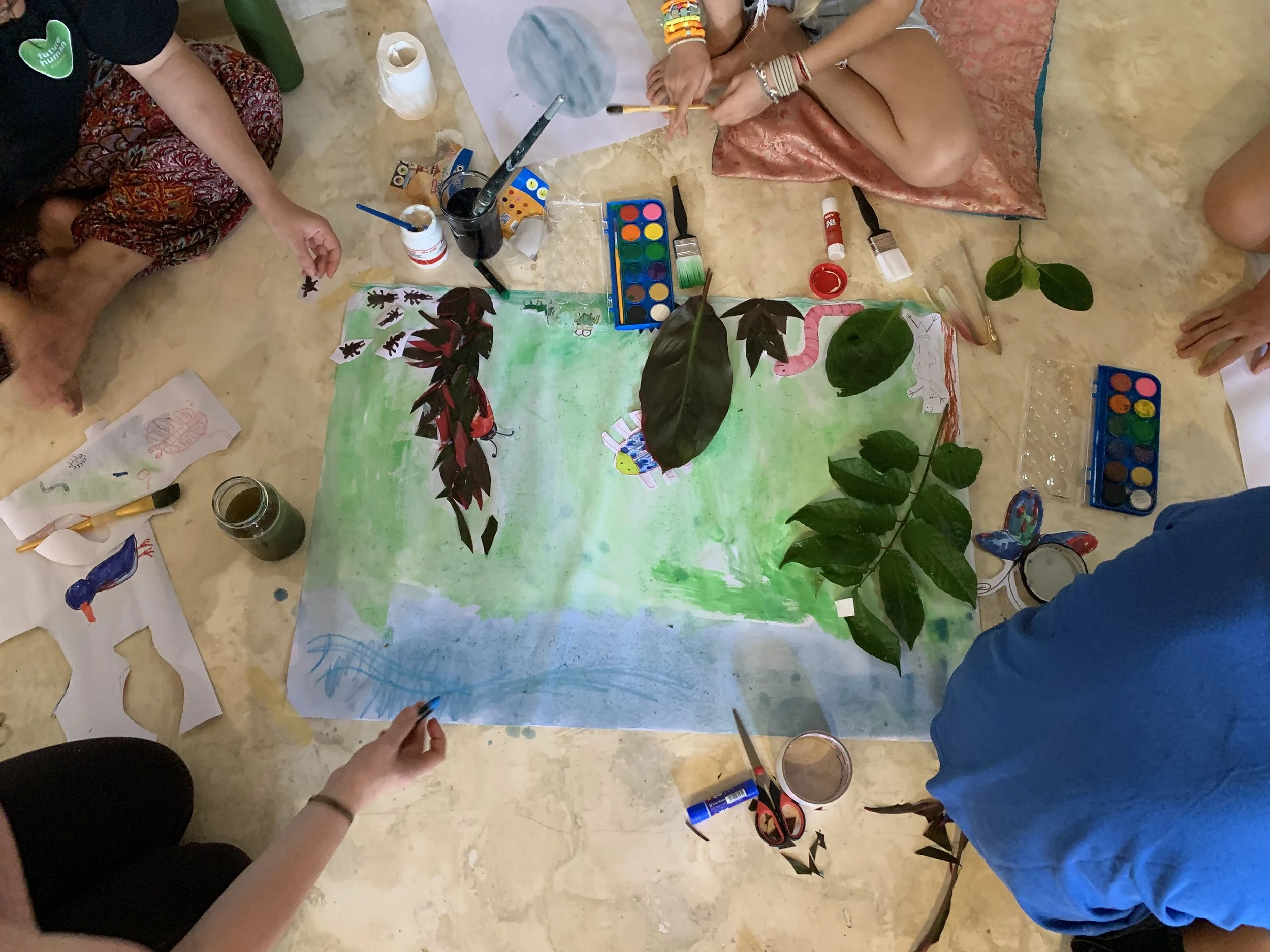
Seven questions to ask any alternative school
Whichever schools you visit, we'd suggest asking these questions. They cut through the marketing quickly. You can read more on our FAQs page.
1. What is the curriculum backbone? “Child-led” shouldn't mean “no structure.” Ask what framework sits underneath the freedom. We partner with Da Vinci Life-Skills (DVLS), which blends the traditional subjects of the UK national curriculum into expanded, transdisciplinary projects, so a film production term still covers English, science and design technology.
2. How is progress assessed? If there are no tests, what replaces them? Our assessment is formative and student-led: digital and written portfolios, mentor check-ins, peer feedback, daily self-evaluations and Da Vinci Qualifications (DVQs) awarded on completion of project portfolios.
3. Who are the adults in the room? Ask about ratios and backgrounds. Our mentor-to-student ratio is 1:8–1:10, and alongside class mentors we draw on a network from sustainability, enterprise, hospitality, permaculture, finance and the arts.
4. What does community look like? A school is nothing without community at its heart. We regularly hold Village Days where we hold workshops, invite in guest experts, go on field trips and celebrate thestudents, mentors, families and the wider Ubud community together.
5. Is there a trial period? Moving countries is a big leap; changing education models is another. New students at Future Human School have a two-week trial period at the start of term, so families can be confident before committing.
6. How flexible is enrolment? Many Bali families aren't here year-round. Our minimum enrolment is one full term (8–9 weeks) which is long enough for a student to take a project from idea to celebration and a natural fit for worldschooling families.
7. What does my child leave with? Each term our students finish with at least two completed projects, a curated portfolio, a final presentation to the community and a mentor review of skill progress.
The practical details
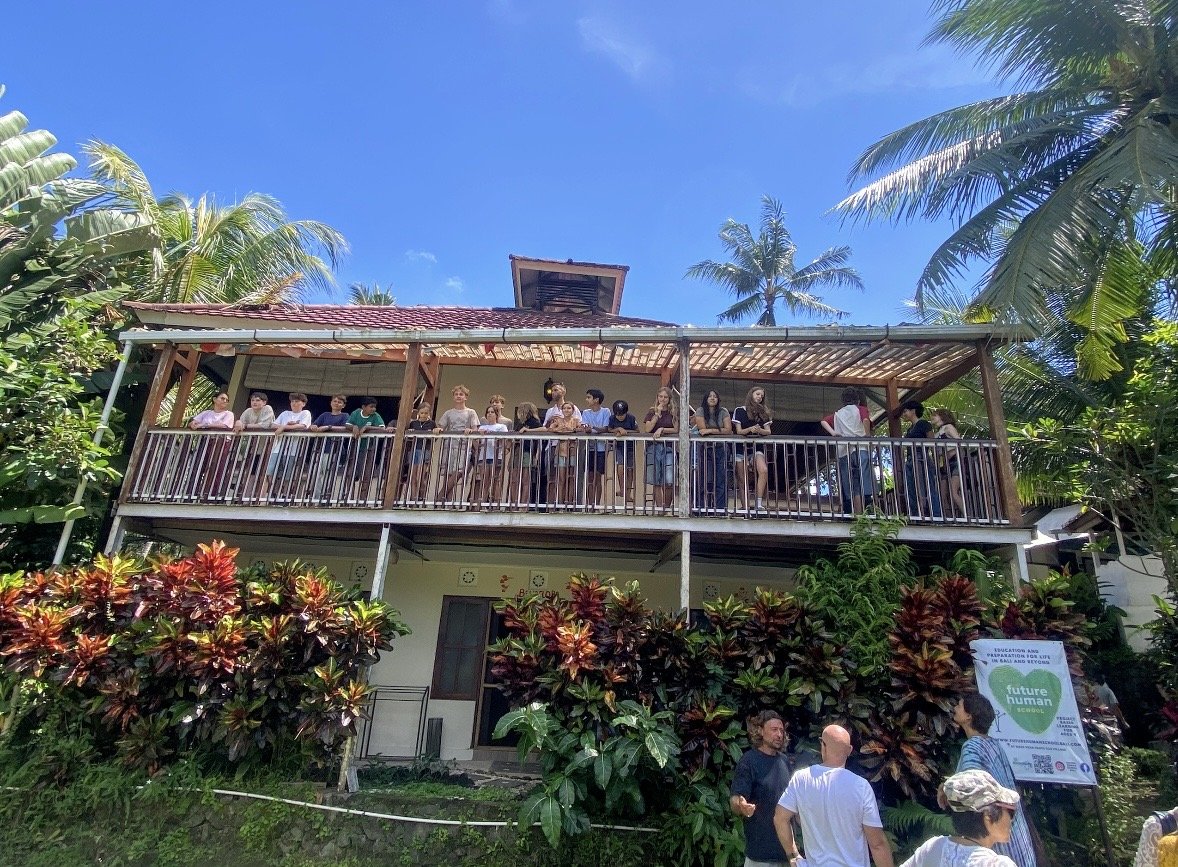
Future Human School is in Mas, just south of Ubud, set within a Samayama self-healing and wellness resort - surrounded by jungle and gardens. We welcome ages 10–16: our Bridge Programme and our Core Programme run to age 16. The school day runs 9am–3pm with after-school clubs until 4pm and freshly prepared vegetarian lunches are available daily. Full fees and inclusions are on our Fees page, and our FAQs cover everything from term dates to advice on moving to Ubud.
Frequently asked questions
Is Future Human School an alternative school?
Yes. We are a progressive, project-based alternative school in Ubud, Bali for ages 10–16, using the Da Vinci Life-Skills curriculum with mentors rather than teachers and growth-based assessment rather than grades.
Can we join for just one term?
Yes, our minimum enrolment is one full term, which many worldschooling families use to experience Bali while their children complete a full project cycle.
Where is the school located?
In Mas, on the southern edge of Ubud, Bali - a quiet street within a wellness resort, close to cafés, restaurants and sports facilities.
How do we start?
Book a school visit or join the waitlist for the next term, or simply message us on WhatsApp. We'd love to meet your family.