
A Parents Guide to Middle School in Bali
The middle years are roughly ages 10 to 14 is when many families decide education should be more than play-based and when children need more structure and regular social groups. They're old enough to embrace an adventure, young enough that exam pressure hasn't started and it's exactly the age where if you’re not careful, many begin to lose interest in conventional learning. If you're searching for a middle school in Bali, here's what you'll find and what we think matters most.
How “middle school” works in Bali
Bali doesn’t use the American middle school structure, so you’ll see the same age group described in different ways: Key Stage 2 and 3 in British-curriculum schools, “primary” and “secondary” elsewhere, and programme names in alternative schools. When you’re comparing schools in Ubud, look past the labels and ask what actually happens for a 10, 12 or 14-year-old on a normal day.
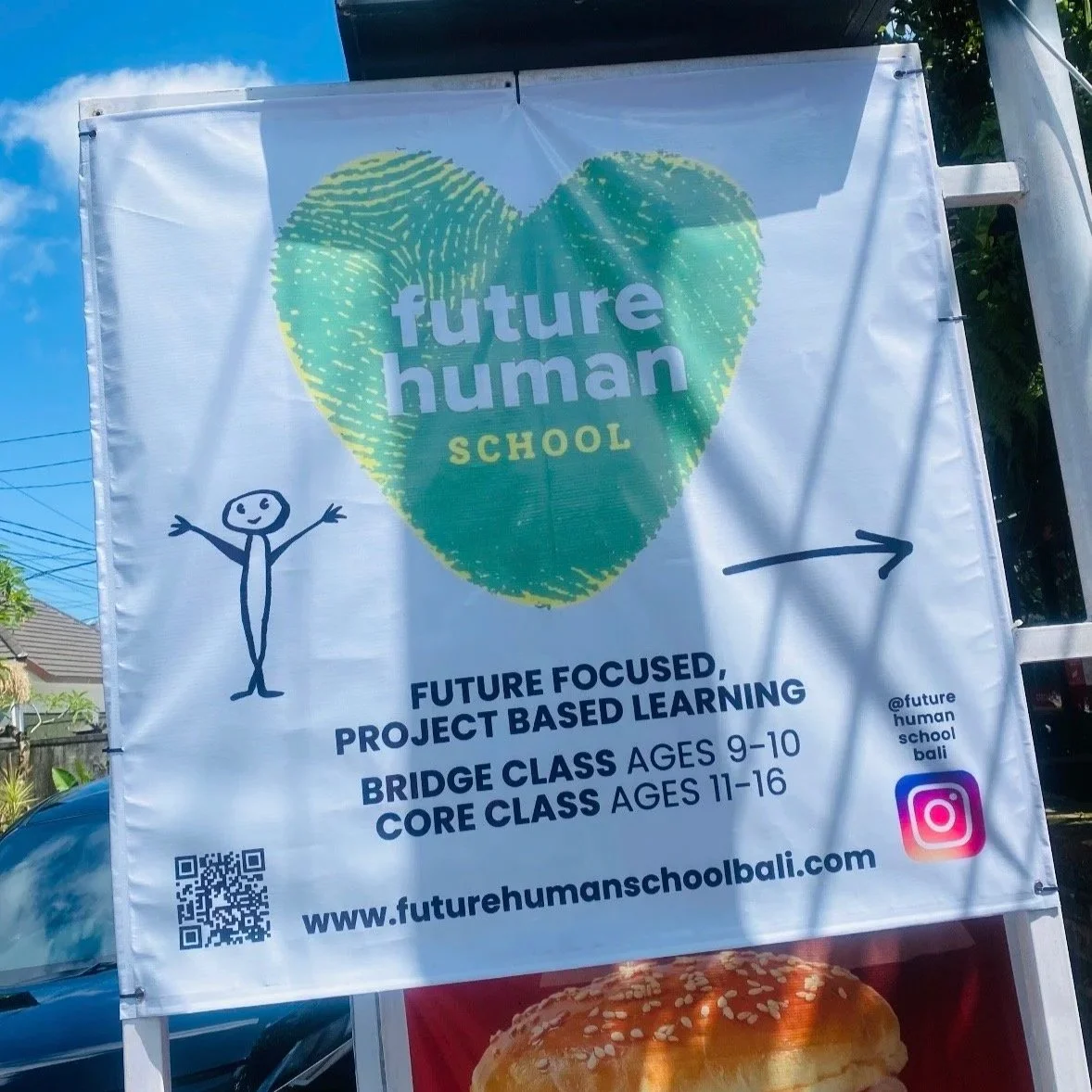
At Future Human School, the middle years span two programmes: our Bridge Programme, typically joined around age 10, which builds the confidence and core skills to thrive in project work and our Core Programme - joined when students are skills-ready. This is where they work through five project-based pathways, the equivalent stage to middle school and early high school in other systems. Progression between the two is based on readiness, not always age.
What matters most at this age
By the middle years, children have formed a view of themselves as learners. Our experience, as parents and as educators is that three things matter more than anything else at this stage:
Belonging. Friendships and community are the engine of everything else. Our close-knit, intergenerational community - students, mentors and families, means new students are welcomed into a village, not just a classroom.
Confidence. Confidence is the first of our 9 Cs, built by doing real things: pitching a business idea, running a pop-up café, presenting a film to an audience. Every term ends with a final presentation to peers, mentors and the wider community.
Engagement. A bored 12-year-old learns almost nothing; a fascinated one is unstoppable. Our pathways: Entrepreneurship, Production, Food, Multiverse Gaming and personal projects are designed so students choose work they genuinely care about.
But do they still cover the academics?
The most common question we hear from parents and the answer is yes. The Da Vinci Life-Skills curriculum blends the traditional subjects of the UK national curriculum into each project. A Production term weaves in Art & Design, Media, Drama, Music, Bahasa and Science; a Food term covers Biology, Chemistry, Geography and Food Technology. Daily literacy and numeracy sessions run alongside project work and progress is tracked through portfolios, mentor reviews and Da Vinci Qualifications rather than test scores.
A typical day
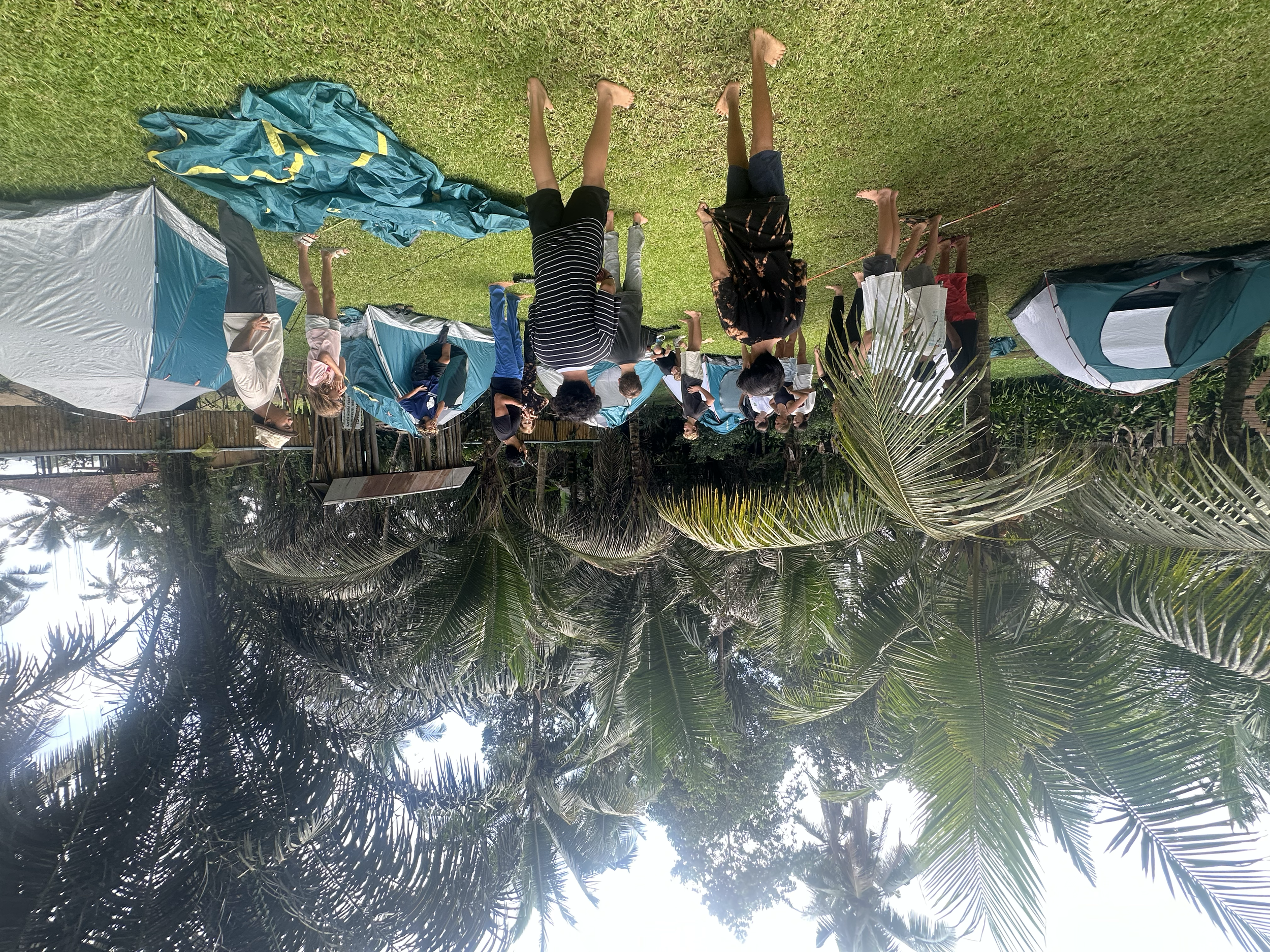
The school day runs 9am–3pm, with after-school clubs typically until 4.30pm. Days blend project pathway sessions, literacy and numeracy, specialist workshops and time in nature. Our campus in Mas, Ubud sits within jungle gardens with outdoor learning spaces. Village Days are held regularly through each term, to bring community learning with guest experts, field trips and celebrations. A freshly prepared vegetarian lunch is served daily from the on-site restaurant.
Frequently asked questions
Does Future Human School have a middle school?
Yes - our Bridge and Core Programmes cover the full middle school age range within a project-based model in Ubud, Bali, with students moving from Bridge to Core when they’re skills-ready.
Can my child join mid-year?
Students can join at the start of any of our four terms, subject to places, with a two-week trial period for new students.
Is the school taught in English?
Yes, learning is in English, and all students study Bahasa Indonesia as part of every project pathway.
How do fees work?
Families pay per term or per semester (with a 10% discount), plus a 5% sibling discount — full details are on our Fees page.